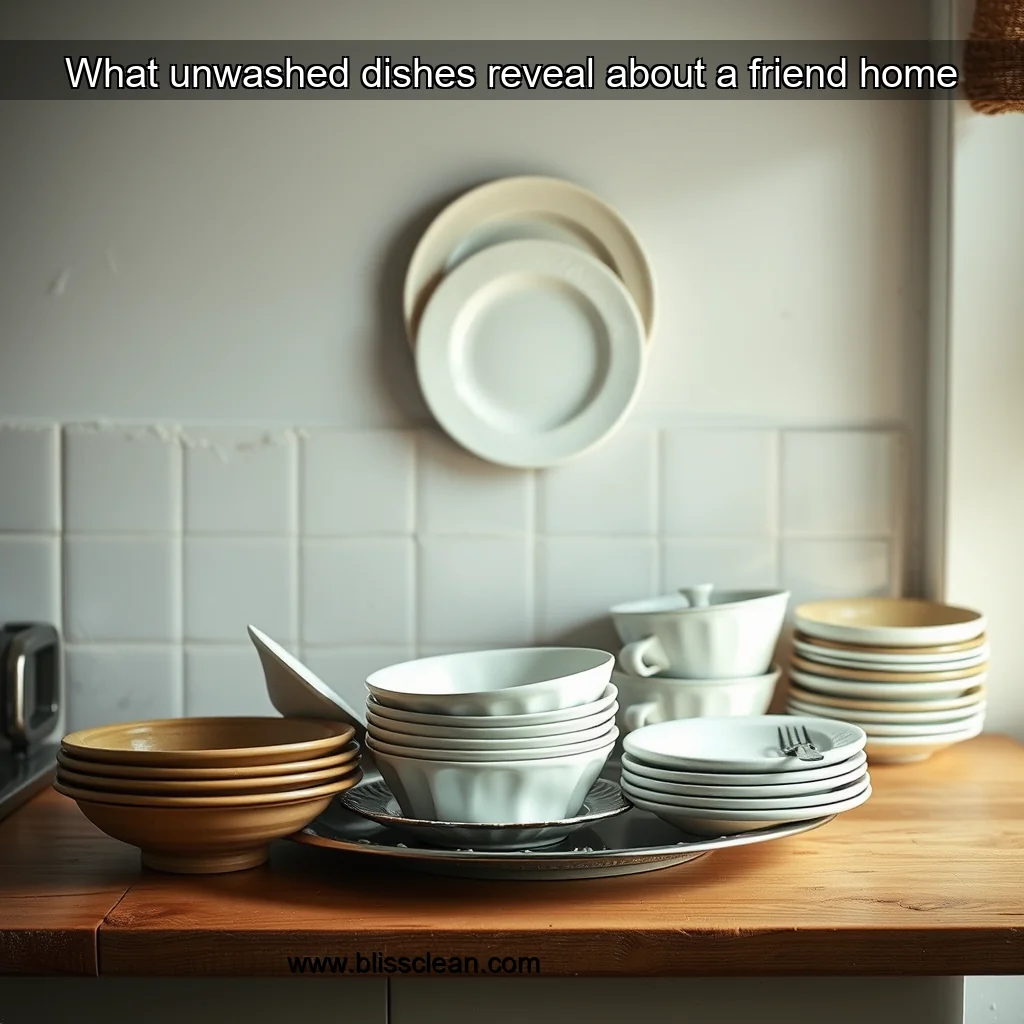
Washing dishes is a window into one’s priorities and values.
The Unwashed Dishes: A Window into Daily Life
When we glance at a pile of unwashed dishes, we often think of it as a mundane chore, a necessary evil in the kitchen. However, this seemingly ordinary task can reveal a wealth of information about the person who left the dishes unwashed. In this article, we’ll delve into the world of unwashed dishes and explore the complex patterns they can reveal about lifestyle, priorities, and personal circumstances.
The Art of Dishwashing: A Reflection of Priorities
Dishwashing is a task that requires attention to detail, a sense of responsibility, and a willingness to take care of oneself. The frequency and thoroughness with which dishes are washed can reveal a great deal about a person’s priorities. For instance:
The Impact of Stress on Daily Life
Stress can affect anyone, regardless of their background or socioeconomic status. It can be triggered by various factors, including work-related pressures, financial difficulties, relationship issues, or health concerns. When stress becomes overwhelming, it can lead to feelings of hopelessness, anxiety, and depression. These emotions can make everyday tasks, like cleaning the sink, seem impossible. Stress can also impact physical health, leading to issues like insomnia, digestive problems, and a weakened immune system. Chronic stress can increase the risk of developing mental health conditions, such as anxiety disorders and depression. It can also affect relationships, causing conflicts and strained connections with family and friends.
The Importance of Empathy and Understanding
When someone is struggling with stress, depression, or overwhelm, it’s essential to approach them with empathy and understanding. A cluttered sink might not just be a reflection of their personal space but also a symbol of their emotional state. By acknowledging their challenges and offering support, we can help them feel more comfortable opening up about their struggles. A simple gesture, like offering to help with household chores or listening to their concerns, can go a long way in showing empathy and care. Avoid making assumptions or jumping to conclusions about their situation. Instead, ask open-ended questions to understand their perspective and feelings. By being present and supportive, we can help them feel less isolated and more empowered to tackle their challenges.
Breaking Down Barriers
Breaking down barriers and creating a safe space for open conversation is crucial in helping individuals overcome stress, depression, or overwhelm. This can be achieved by:
In contrast, a tidy kitchen might suggest a solitary lifestyle.
The Psychology of Cleanliness
Understanding the Connection Between Cleanliness and Social Life
The relationship between cleanliness and social life is complex and multifaceted. Research suggests that people who prioritize cleanliness may be more likely to engage in social activities, but this doesn’t necessarily mean they’re more sociable. In fact, some individuals might be more inclined to host gatherings due to their desire for cleanliness rather than a genuine interest in socializing. A study published in the Journal of Environmental Psychology found that people who lived in tidy homes reported higher levels of social interaction and community engagement. Another study published in the Journal of Social and Clinical Psychology discovered that individuals who prioritized cleanliness were more likely to participate in social events and activities.*
The Role of Cleanliness in Social Perception
Cleanliness plays a significant role in shaping social perceptions. A person’s living space can convey information about their personality, values, and lifestyle. A tidy kitchen, for instance, might suggest that the homeowner is organized, responsible, and detail-oriented. A study published in the journal Personality and Individual Differences found that people who lived in tidy homes were perceived as more competent and trustworthy. Another study published in the Journal of Applied Social Psychology discovered that individuals who prioritized cleanliness were seen as more attractive and desirable.*
The Dark Side of Cleanliness
While cleanliness can be a positive trait, it can also have a negative impact on social relationships.
Household dynamics shape dish management, from unclear responsibility divisions to effective communication and division of labor.
Understanding the Impact of Household Dynamics on Dish Management
Household dynamics play a significant role in shaping the way dishes are managed within a home. The way family members or roommates divide responsibilities, communicate, and interact with each other can significantly impact the cleanliness and organization of the kitchen. In this article, we will explore the various ways in which household dynamics influence dish management, including the impact of shared living spaces, single-person households, and water conservation efforts.
Shared Living Spaces: The Culprit Behind Accumulated Dishes
Shared living spaces can lead to a buildup of dishes due to unclear responsibility divisions. When multiple people live together, it can be challenging to determine who is responsible for washing dishes after meals. This lack of clarity can result in a pileup of dirty dishes, leading to a cluttered kitchen and a sense of overwhelm. To avoid this, it’s essential to establish clear communication and division of labor among household members. Some households may assign specific tasks to each member, such as washing dishes after dinner or loading the dishwasher. Others may use a chore chart or schedule to ensure that everyone contributes to dish management.
The Complexity of Household Habits
Household habits are often viewed as a reflection of one’s cleanliness and organization. However, this perspective oversimplifies the intricate dynamics at play. In reality, household habits are influenced by a multitude of factors, including personal preferences, lifestyle choices, and cultural background. Personal preferences: Individuals have unique preferences when it comes to cleanliness and organization. Some people may prioritize aesthetics, while others focus on functionality. These preferences can be shaped by upbringing, personal experiences, and individual values. Lifestyle choices: Busy schedules, financial constraints, and health considerations can all impact household habits. For example, someone with a demanding work schedule may not have the time or energy to devote to cleaning, leading them to prioritize other aspects of their life. * Cultural background: Cultural norms and values can significantly influence household habits. In some cultures, cleanliness is highly valued, while in others, it may be seen as a secondary concern. These cultural differences can lead to varying standards of cleanliness and organization.**
The Impact of Household Habits on Relationships
Household habits can have a profound impact on relationships within the home. When individuals understand and appreciate the complexities of household habits, they can build stronger connections and foster a more harmonious living environment. Mutual understanding: By recognizing the factors that influence household habits, individuals can develop a deeper understanding of each other’s needs and preferences. This mutual understanding can lead to increased empathy and cooperation. Communication: Open and honest communication is essential for navigating the complexities of household habits. By discussing their needs and preferences, individuals can work together to find solutions that meet everyone’s requirements.
A kitchen sink is often considered a mundane, everyday fixture, but it holds a wealth of information about the people who use it. From the type of dishes and utensils stored in it to the state of the drain, a kitchen sink can be a window into the life of its owner.
The Anatomy of a Kitchen Sink
A kitchen sink is more than just a sink; it’s a reflection of the household’s daily habits and routines. The type of dishes and utensils stored in the sink can reveal a great deal about the family’s eating habits and lifestyle. For example, if the sink is filled with fine china and crystal glasses, it may indicate that the family enjoys formal dining and entertaining.