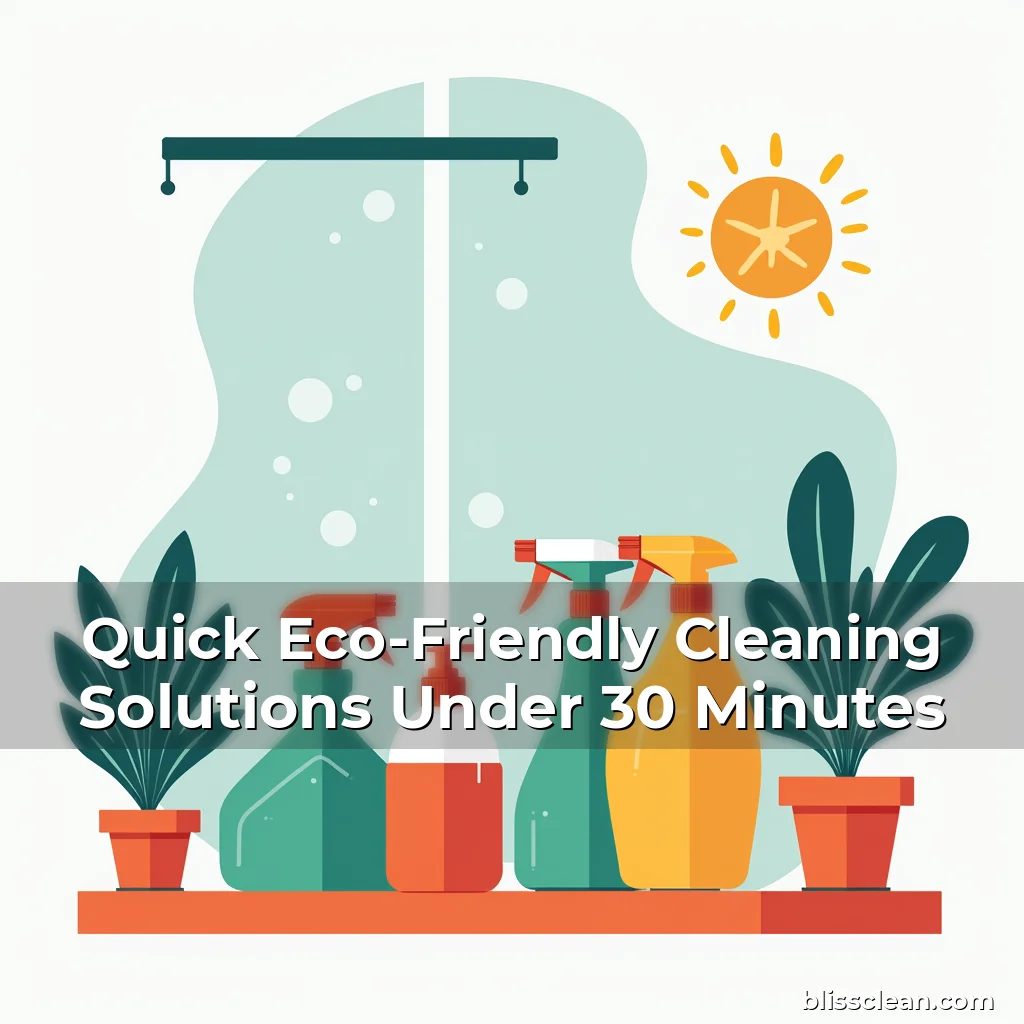
Quick Eco-Friendly Cleaning Solutions Under 30 Minutes
In today’s fast-paced world, finding time for thorough home maintenance can be challenging. However, eco-friendly cleaning offers an efficient solution that aligns with both environmental values and busy schedules.
The rise of sustainable living has led many homeowners to seek quick yet effective methods for keeping their homes clean without compromising health or planet safety. These strategies not only save time but also contribute positively to ecological balance by reducing harmful chemical usage.
The Power of Natural Ingredients
Natural ingredients serve as excellent alternatives to harsh commercial cleaners. Common household items such as vinegar, baking soda, and lemon juice possess powerful cleansing properties while being completely biodegradable.
Vinegar acts as a versatile disinfectant due to its acidic nature, effectively killing bacteria and viruses on various surfaces. Its mild acidity helps remove grime from kitchen countertops and bathroom fixtures effortlessly.
- Baking Soda: This alkaline compound excels at scrubbing away stubborn stains from tiles, ovens, and even clothing without leaving behind any toxic residue.
- Lemon Juice: Rich in citric acid, lemon juice is particularly useful for degreasing stovetops and eliminating odors from refrigerators through natural deodorizing effects.
Efficient Cleaning Techniques
Maintaining a clean home doesn’t require hours of labor when employing smart techniques. Utilizing microfiber cloths reduces dust accumulation significantly compared to traditional cotton rags which trap less dirt over time.
Diluting essential oils like tea tree oil or lavender into water creates potent air fresheners that double as surface sanitizers. The antimicrobial qualities of these oils provide additional protection against germs during routine cleaning sessions.
Maximizing Time Efficiency
A study conducted by Environmental Science & Technology found that using pre-moistened wipes infused with plant-based surfactants cuts down wiping time by up to 28%. This efficiency gain allows individuals to allocate more time towards other responsibilities or leisure activities.
Implementing a color-coded system for different types of cleaning tasks further enhances productivity. Assigning specific colors to particular areas—like blue for bathrooms and green for kitchens—ensures consistency across multiple cleaning cycles without confusion.
Eco-Friendly Tools and Equipment
Selecting environmentally conscious tools plays a crucial role in sustainable housekeeping practices. Bamboo mop heads offer durability similar to synthetic fibers but decompose naturally after reaching end-of-life stage unlike plastic counterparts.
Reusable silicone sponges replace single-use scourers made from cellulose derivatives which often end up contributing to landfill waste. Their longevity makes them cost-effective choices for frequent use scenarios involving tough grease removal jobs around cooktops or sink basins.
Smart Storage Strategies
Organizing cleaning supplies efficiently minimizes energy consumption associated with searching for misplaced items. Designating fixed locations within cabinets ensures easy access whenever required thus avoiding unnecessary movement patterns inside dwellings.
Using transparent containers labeled clearly helps maintain visual inventory control over stock levels of each product type. This visibility aids in identifying what needs restocking before running out unexpectedly mid-cleaning process.
Pest Control Alternatives
Certain insects commonly invade homes seeking moisture sources; however, non-toxic approaches exist that protect ecosystems rather than disrupt them. Diatomaceous earth functions mechanically by damaging insect exoskeletons causing dehydration without releasing hazardous chemicals into environment.
Citrus peels placed strategically near entry points repel ants effectively because they contain limonene compounds which are unpleasant to these pests. Such organic deterrents ensure safe conditions for children pets who might come into contact with treated zones unintentionally.
Water Conservation Practices
Reducing water wastage during domestic chores supports broader conservation efforts globally. Installing low-flow showerheads decreases hot water demand thereby lowering overall utility bills while maintaining satisfactory performance standards regarding cleanliness expectations.
Rinsing dishes under cold tap instead of filling entire sinks saves considerable volumes especially considering average household consumes approximately 16 gallons daily solely dedicated to dishwashing activities according to USGS data reports.
Green Disposal Methods
Proper disposal procedures prevent contamination risks posed by improper handling of potentially hazardous substances. Composting food scraps generated from meal preparation turns them into nutrient-rich soil amendments beneficial for gardening purposes rather than sending them straight into landfills.
Recycling packaging materials used for buying bulk quantities of cleaning products extends lifecycle value added benefits beyond initial usage phase. Separately collecting paperboard cartons enables reprocessing back into new consumer goods minimizing virgin resource extraction requirements.
Community Engagement Initiatives
Participating actively within local sustainability networks fosters collective responsibility towards preserving shared environments. Joining neighborhood clean-up drives contributes visibly tangible improvements visible everywhere participants walk enhancing sense belonging among residents involved.
Sharing DIY recipes online expands knowledge reach exponentially allowing others learn about viable options available locally based upon regional availability constraints. Social media platforms become vital channels spreading awareness rapidly across diverse demographics simultaneously.
Conclusion
Adopting eco-friendly cleaning habits brings numerous advantages ranging from immediate personal convenience gains right through long-term planetary well-being outcomes. Simple swaps between conventional products and greener equivalents yield substantial positive impacts cumulatively overtime periods.
By embracing natural solutions alongside innovative tool selections along side mindful behavioral adjustments toward resource utilization patterns, households transform themselves into model examples demonstrating how modern lifestyles can coexist harmoniously with nature preservation goals successfully achieved together seamlessly.

news is a contributor at BlissClean. We are committed to providing well-researched, accurate, and valuable content to our readers.