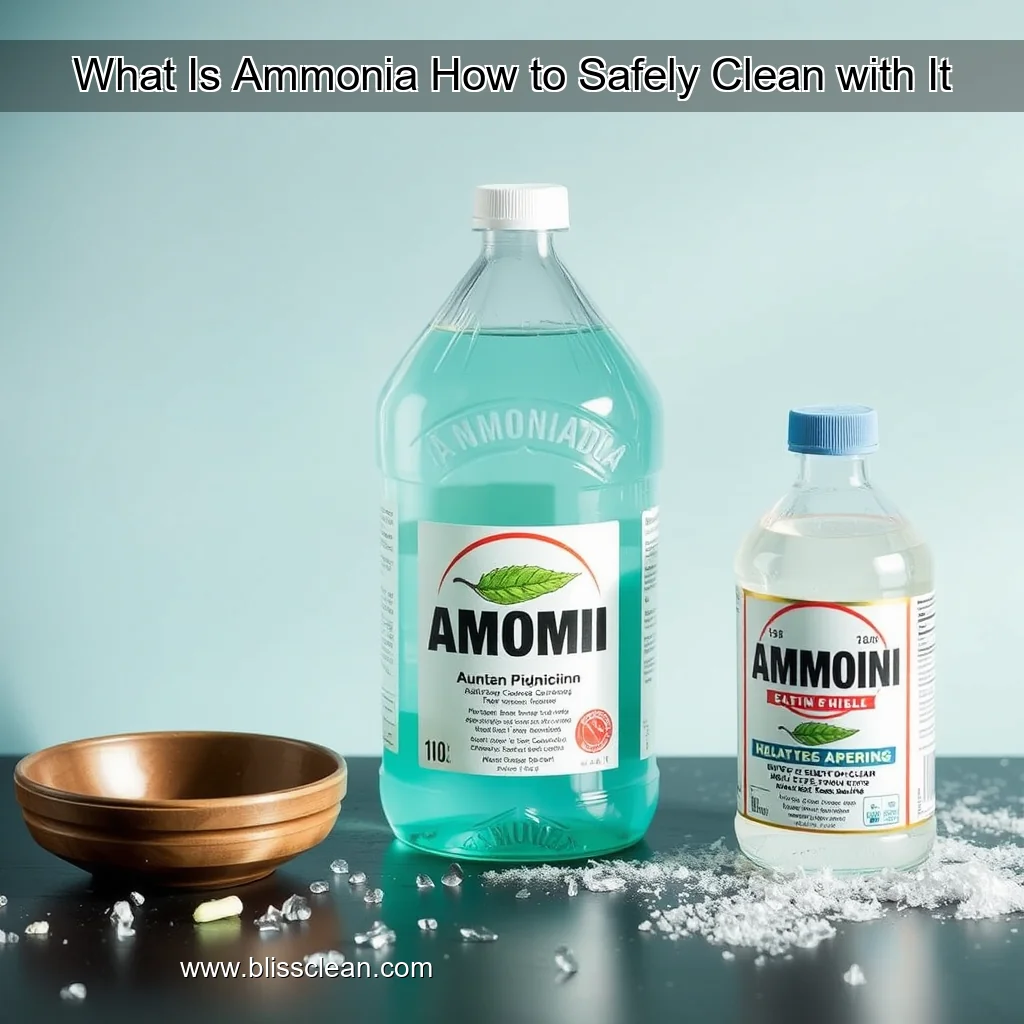
The Science Behind Ammonia’s Cleaning Power
Ammonia’s effectiveness as a cleaning agent can be attributed to its chemical properties. It is a strong base, with a pH level of around 11. This high pH level allows ammonia to effectively break down and dissolve grease and grime. When ammonia comes into contact with a surface, it forms a weak acid called ammonium hydroxide. This weak acid then reacts with the grease and grime, breaking it down into smaller components that can be easily rinsed away. Key benefits of ammonia’s chemical properties: + Effective at breaking down and dissolving grease and grime + Forms a weak acid that reacts with grease and grime + Allows for easy rinsing and removal of dirt and grime
Safety Precautions and Preparations
When using ammonia as a cleaning agent, it’s essential to take certain safety precautions to avoid any potential risks. Ammonia is a strong base, and prolonged exposure can cause skin and eye irritation. When handling ammonia, it’s recommended to wear protective gloves and goggles to prevent any potential harm. Additionally, ammonia can be hazardous if inhaled, so it’s crucial to work in a well-ventilated area to prevent inhalation.
The Dangers of Ammonia Fumes
Ammonia is a common household chemical used for cleaning and disinfecting surfaces. However, its strong fumes can pose a significant risk to human health, particularly for vulnerable populations such as infants and children.
The Effects on the Respiratory System
The fumes from ammonia can cause irritation to the mouth, throat, and respiratory system. This can lead to a range of symptoms, including coughing, wheezing, and shortness of breath. In severe cases, the fumes can cause respiratory distress, which can be life-threatening.
Diluting bleach is not recommended.
The Dangers of Mixing Household Chemicals
Household chemicals can be hazardous if not used properly. Mixing different chemicals can lead to the creation of toxic gases, explosions, or even fires. In this article, we will explore the dangers of mixing household chemicals, focusing on the risks associated with combining ammonia and chlorine bleach.
Understanding the Chemicals Involved
The Risks of Mixing Ammonia and Chlorine Bleach
Mixing ammonia and chlorine bleach can lead to the creation of chloramine gas, which can cause severe health problems, including:
The Importance of Following Safety Guidelines
To avoid the risks associated with mixing household chemicals, it is essential to follow the safety guidelines on the product label. This includes:
Real-Life Consequences of Mixing Household Chemicals
The consequences of mixing household chemicals can be severe.
Ammonia is effective in removing grease and grime from kitchen surfaces, including countertops, sinks, and faucets.
Effective Degreaser and Glass Cleaner
Properties and Uses
Ammonia is a strong chemical compound that is commonly used in various household and industrial applications. Its effectiveness as a degreaser and glass cleaner is due to its unique properties. Here are some key characteristics and uses of ammonia:
Let it sit for 30 minutes to an hour before rinsing with warm water.
The Power of Ammonia for Stovetop Grate Cleaning
A Simple and Effective Method
Using ammonia to clean stovetop grates is a simple and effective method that can save time and effort. This technique is particularly useful for those who struggle with stubborn grime and food residue buildup on their stovetop grates.
Benefits of Using Ammonia
How to Use Ammonia for Stovetop Grate Cleaning
To use ammonia for stovetop grate cleaning, follow these steps:
Shake the solution well before each use.
Removing Burnt-On Food with Ammonia
When it comes to cleaning burnt-on food from an oven, many people reach for harsh chemicals or scrubbers that can damage surfaces. However, a simple and effective solution is to use ammonia. The acidity in ammonia helps break down and loosen burnt-on food, making it easier to wipe away.
How Ammonia Works
Ammonia is a strong base that can dissolve and break down tough food residue. When applied to burnt-on food, the ammonia molecules penetrate the surface, disrupting the chemical bonds that hold the food particles together. This allows the food to be easily wiped away with a damp cloth or sponge.
DIY Glass Cleaner Recipe
If you’re looking for a non-toxic and eco-friendly alternative to commercial glass cleaners, you can make your own using ammonia. Here’s a simple recipe:
Mix the ammonia and water in the spray bottle, shaking well before each use. The acidity in the ammonia helps break down dirt and grime, leaving your glass surfaces sparkling clean.
Safety Precautions
When using ammonia, it’s essential to take some safety precautions. Ammonia can be harsh on skin and eyes, so make sure to wear gloves and goggles when cleaning.
When Not to Use Ammonia In addition to the safety precautions discussed above, here’s a review of what to avoid when using ammonia:

news is a contributor at BlissClean. We are committed to providing well-researched, accurate, and valuable content to our readers.