The Unwashed Dishes: A Window into Daily Life
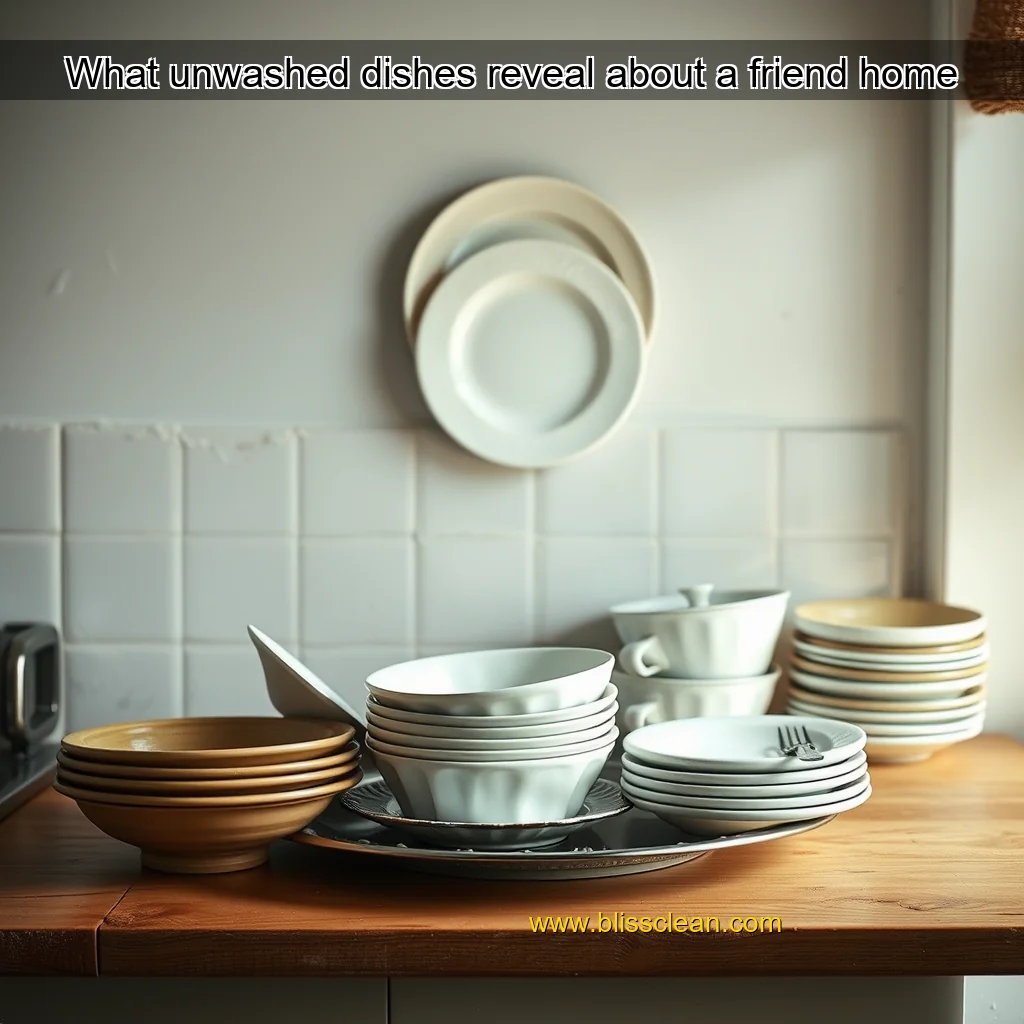
When we glance at a pile of unwashed dishes, we often think of it as a mundane, everyday chore. However, this seemingly ordinary task can reveal a wealth of information about an individual’s lifestyle, priorities, and personal circumstances.
The Psychology of Cleanliness
Understanding the Connection Between Cleanliness and Emotional State
Unwashed dishes can be a source of stress and anxiety for many individuals. The accumulation of dirty dishes can lead to feelings of overwhelm and frustration, making it difficult to tackle other tasks. On the other hand, clean counters can evoke a sense of calmness and organization. This dichotomy highlights the complex relationship between cleanliness and emotional state.
Each plate tells a story of laughter, tears, and memories forged in the warmth of the kitchen.
The Art of Hosting: Unpacking the Psychology Behind a Well-Stocked Sink
The Psychology of Hospitality
Hosting guests can be a complex and multifaceted experience.
Household dynamics shape dish management, and clear responsibility divisions are key to a clean and organized kitchen.
Household Dynamics and Dish Management
Household dynamics play a significant role in shaping the way dishes are managed within a home. The way family members or roommates divide responsibilities, communicate, and interact with each other can greatly impact the cleanliness and organization of the kitchen. In this article, we’ll explore how household dynamics influence dish management and provide practical tips for improving your own household’s dish management.
Clear Responsibility Divisions
In households with multiple members, clear responsibility divisions are crucial for maintaining a clean and organized kitchen. However, in many cases, these divisions are unclear or nonexistent, leading to a buildup of dishes and a sense of chaos. To avoid this, it’s essential to establish a system of responsibility that works for everyone involved. Create a chore chart or schedule to divide tasks among household members. Assign specific dishes or tasks to each person, such as washing, drying, or putting away. Review and adjust the system regularly to ensure it’s working effectively.
Single-Person Households
Single-person households, on the other hand, often develop their own unique rhythms when it comes to dish management. Without the need to coordinate with others, individuals can create their own schedules and routines that work best for them. However, this can also lead to a lack of accountability and a buildup of dirty dishes. Establish a daily routine that includes washing and putting away dishes. Set reminders or alarms to ensure you stay on track.
Household habits are influenced by a complex interplay of personal preferences, lifestyle choices, and cultural background.
The Complexity of Household Habits
Household habits are often viewed as a reflection of one’s cleanliness and organization. However, this perspective oversimplifies the intricate dynamics at play. In reality, household habits are influenced by a multitude of factors, including personal preferences, lifestyle choices, and cultural background. Personal preferences: Individuals have unique preferences when it comes to cleanliness and organization. Some people may prioritize aesthetics, while others may focus on functionality. These preferences can be shaped by upbringing, personal experiences, and individual values. Lifestyle choices: Busy schedules, financial constraints, and health considerations can all impact household habits. For example, someone with a demanding work schedule may not have the time or energy to devote to cleaning, while a person with a chronic illness may need to prioritize self-care over household chores. * Cultural background: Cultural norms and values can significantly influence household habits. In some cultures, cleanliness is deeply ingrained, while in others, it may be viewed as a secondary concern. For instance, in some Asian cultures, the concept of “saving face” can lead to a reluctance to express messiness or imperfection.**
The Impact of Nuanced Understanding
When we adopt a more nuanced view of household habits, we begin to see the intricate web of factors that shape our daily lives. This understanding can lead to stronger connections and mutual respect between household members.
A kitchen sink is often seen as a mundane, everyday fixture, but it holds a wealth of information about a person’s lifestyle, habits, and priorities. In this article, we’ll delve into the fascinating world of kitchen sinks and explore what they can tell us about the people who use them.
The Anatomy of a Kitchen Sink
A kitchen sink is more than just a hole in the wall with some pipes and a faucet attached. It’s a window into the soul, or at least, a reflection of one’s daily habits. Let’s take a closer look at the anatomy of a kitchen sink:

news is a contributor at BlissClean. We are committed to providing well-researched, accurate, and valuable content to our readers.