The Unseen Signs of Daily Life
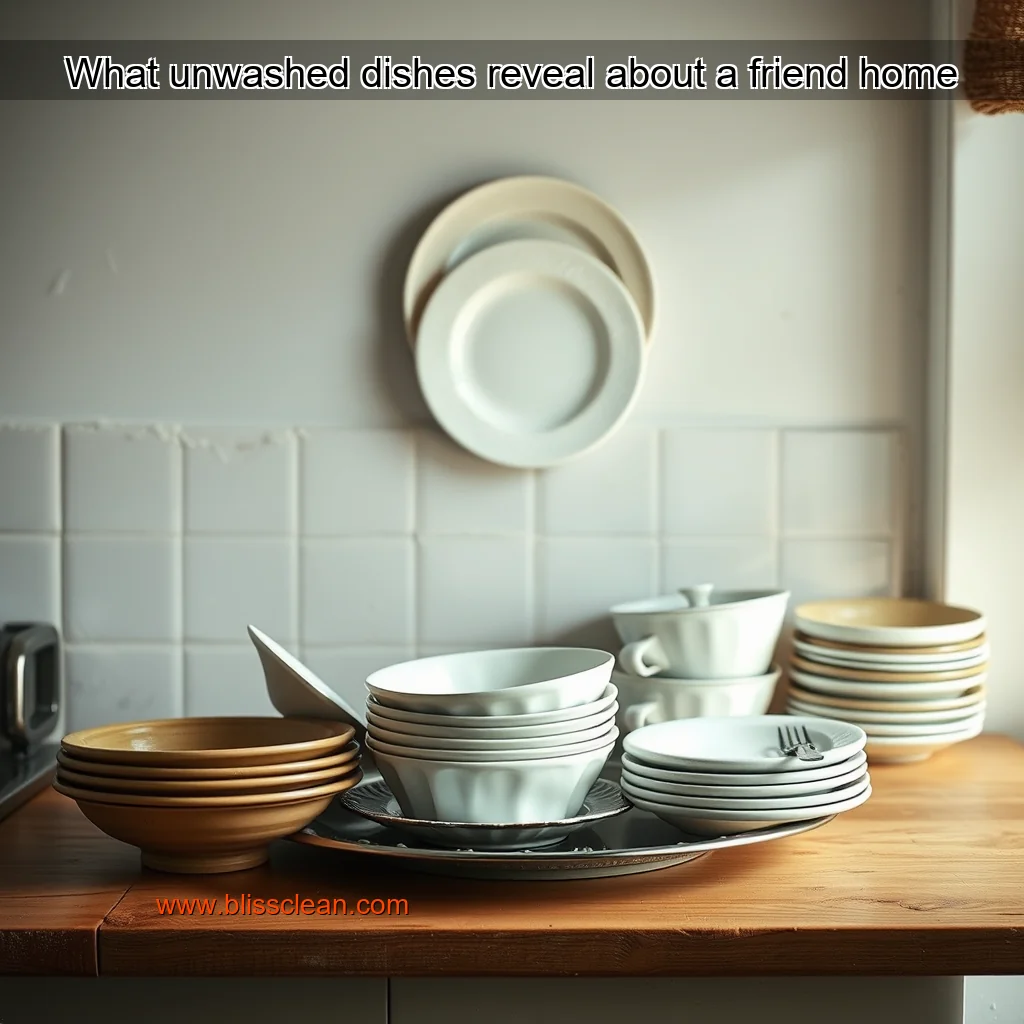
The humble pile of unwashed dishes can be a window into the soul of a household. It’s a reflection of the daily routines, priorities, and personal circumstances of the people living there. By examining this seemingly mundane aspect of daily life, we can gain a deeper understanding of the complexities that shape our lives.
The Dishwasher Dilemma
The Significance of Dirty Dishes
The Emotional Significance of Dirty Dishes
Others might feel anxious about the state of their belongings.
The Psychology of Clutter and Emotional Expression
Clutter can be a reflection of our inner world. It can symbolize feelings of overwhelm, anxiety, or disorganization.
Cleanliness reflects our values and priorities, and social norms shape our attitudes towards it.
The Psychology of Social Life and Cleanliness
The relationship between social life and cleanliness is complex and multifaceted. On one hand, cleanliness can be a reflection of a person’s values and priorities. A tidy home can suggest a sense of responsibility and organization. On the other hand, a cluttered and dirty environment can be a sign of a more relaxed attitude towards life. A study published in the Journal of Environmental Psychology found that people who lived in tidy homes reported higher levels of life satisfaction and well-being. In contrast, a study published in the Journal of Social and Clinical Psychology found that people who lived in cluttered homes reported higher levels of stress and anxiety.*
The Role of Social Norms
Social norms play a significant role in shaping our attitudes towards cleanliness and social life. In many cultures, a clean and organized home is seen as a sign of respectability and good manners. In contrast, a dirty and cluttered home may be viewed as lazy or unkempt. In some cultures, the concept of “home” is closely tied to the idea of hospitality. A clean and welcoming home is seen as a reflection of the host’s generosity and warmth.
Household harmony starts with a clean sink.
Household Dynamics and Dish Management
Household dynamics play a significant role in shaping the way dishes are managed within a home. The way dishes are handled can reveal a lot about the household’s values, communication, and daily routines. In this article, we’ll explore how household dynamics influence dish management and provide practical tips for optimizing this often-overlooked aspect of household life.
Shared Living Spaces and Dish Accumulation
When multiple people live together, it’s easy for dishes to pile up. This can be due to a lack of clear responsibility divisions, unclear expectations, or simply because everyone is busy with their own activities.
The Complexity of Household Habits
Household habits are often viewed as a reflection of one’s personal hygiene and cleanliness. However, this narrow perspective overlooks the intricate web of factors that influence our daily routines. By examining the nuances of household habits, we can gain a deeper understanding of the individuals and families that inhabit our homes.
The Multifaceted Nature of Household Habits
The Impact of Nuanced Understanding
A more nuanced view of household habits can have a profound impact on our relationships and interactions with others.
A kitchen sink is often considered a mundane, everyday fixture, but it holds a wealth of information about the people who use it. From the type of dishes and utensils stored in it to the state of the drain, every aspect of the kitchen sink can provide insight into the daily lives of those who use it.
The Anatomy of a Kitchen Sink
A kitchen sink is more than just a functional piece of plumbing; it’s a window into the daily habits and routines of the people who use it. The type of dishes and utensils stored in the sink can reveal a great deal about the household’s eating habits and preferences. For example, if the sink is filled with fine china and crystal glasses, it may indicate that the household values formal dining and entertaining. On the other hand, if the sink is cluttered with plastic plates and utensils, it may suggest a more casual and laid-back approach to mealtime. Some common items found in a kitchen sink include: + Dishes and utensils + Cleaning supplies + Trash and recycling bins + Sponges and dishrags + Food scraps and leftovers
The State of the Drain
The state of the drain can also provide valuable information about the household’s cleaning habits and priorities. A clogged drain may indicate that the household is not prioritizing regular cleaning and maintenance, while a well-maintained drain suggests a commitment to keeping the kitchen clean and hygienic. Additionally, the type of drain cleaner used can reveal a great deal about the household’s approach to cleaning.

news is a contributor at BlissClean. We are committed to providing well-researched, accurate, and valuable content to our readers.