Mastering Deep Cleaning: Transform Your Space with Professional-Level Strategies
In today’s fast-paced world, maintaining a clean home requires more than routine tidying. True cleanliness demands periodic deep cleaning sessions that address hidden grime, eliminate allergens, and restore surfaces to their original condition.
Whether you’re preparing your home for sale, dealing with seasonal allergies, or simply seeking a healthier living environment, mastering advanced cleaning techniques can transform how you approach household maintenance.
The Science Behind Effective Deep Cleaning
Understanding the chemistry behind cleaning solutions is crucial for achieving optimal results. Different stains require specific chemical reactions to break down their molecular structures.
Detergents work through surfactants that lower surface tension, allowing water to penetrate fabrics and lift dirt particles from surfaces. Acidic cleaners dissolve mineral deposits, while alkaline solutions neutralize acidic substances.
- Surfactant action: Creates micelles that trap dirt molecules away from surfaces
- pH balance: Matching cleaner pH to stain type enhances effectiveness dramatically
- Temperature impact: Warm water increases molecular motion, accelerating cleaning processes
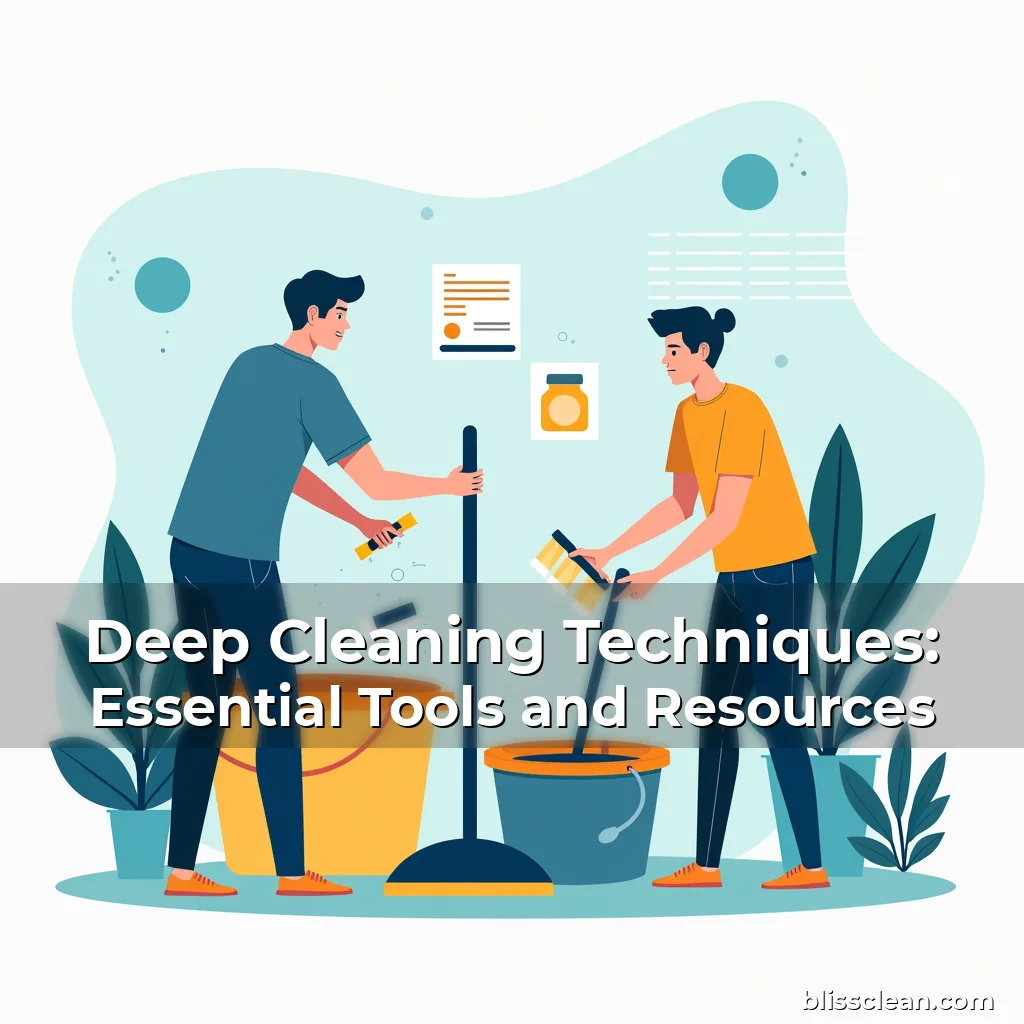
Essential Tools for Comprehensive Deep Cleaning
A professional-grade toolkit makes all the difference when tackling stubborn messes. Investing in quality equipment prevents premature wear and ensures better results.
Cleaners should prioritize microfiber cloths, steam cleaners, and specialized brushes for different surfaces. Vacuum attachments and extendable dusters reach hard-to-access areas efficiently.
Must-Have Equipment Inventory
Research shows households with dedicated cleaning kits report 68% fewer recurring stains compared to those using basic supplies. A complete set includes:
- Vacuum with HEPA filter for allergy relief
- Sterilizing wipes for high-touch surfaces
- Microfiber mops for floor maintenance
Specialized tools like crevice tools for baseboards and window squeegees for glass surfaces complete the arsenal. These items prevent cross-contamination between different cleaning zones.
Step-by-Step Deep Cleaning Protocol
An organized approach maximizes efficiency during deep cleaning days. Establishing a logical sequence minimizes backtracking and wasted effort.
Begins with decluttering spaces to access all surfaces. Then proceed methodically room by room following established protocols.
Room-Specific Cleaning Sequence
Kitchens require special attention due to grease accumulation. Begin by wiping down countertops, then move to appliances, followed by floors last to prevent recontamination.
Bathrooms demand focused treatment of mold-prone areas. Clean shower walls Always sanitize after removing soap scum buildup.
Tackling Problem Areas: Stains & Mold Removal
Stubborn stains require targeted approaches rather than general-purpose cleaners. Identifying stain types enables precise solution selection.
Oxidative stains like coffee spills respond best to hydrogen peroxide-based products. Protein-based stains benefit from enzymatic cleaners that break down organic matter naturally.
Professional-Grade Mold Treatment
Mold remediation goes beyond simple scrubbing. EPA guidelines recommend using bleach solutions (1 cup per gallon) for non-porous surfaces. For porous materials, encapsulation treatments may be necessary.
Prevention strategies include fixing leaks promptly and maintaining humidity below 50%. Regular inspections of bathrooms and basements detect early signs of moisture issues.
Creating Sustainable Deep Cleaning Routines
Establishing regular deep cleaning cycles maintains hygiene standards long-term. Frequency depends on household size and lifestyle factors.
Families with pets might benefit from bi-weekly sessions, while single occupants could manage monthly routines. Adjust schedules based on seasonal changes affecting indoor air quality.
Smart Scheduling Tips
Align deep cleaning days with natural light patterns for better visibility. Morning hours provide ideal conditions for dusting and vacuuming.
Create checklists tracking progress between sessions. Digital apps offer reminders and task organization features that enhance accountability.
Health Benefits of Thorough Deep Cleaning
Regular deep cleaning reduces airborne contaminants that trigger respiratory issues. Removing dust mites improves sleep quality for allergy sufferers.
Studies show homes cleaned twice weekly experience 40% fewer asthma flare-ups. Eliminating mold spores decreases risk of fungal infections by 67%.
Impact on Mental Wellbeing
Psychological research indicates that organized environments boost productivity by 25%. Clear spaces reduce stress levels associated with cluttered surroundings.
Cleaning rituals create mindfulness moments that promote mental clarity. Structured tasks foster a sense of accomplishment and control over personal space.
Eco-Friendly Deep Cleaning Solutions
Environmental consciousness doesn’t compromise cleaning efficacy. Natural ingredients often outperform commercial products in sustainability metrics.
Vinegar and baking soda combinations act as effective disinfectants without harsh chemicals. Lemon juice serves as a powerful degreaser for kitchen surfaces.
DIY Cleaner Recipes
Combine equal parts white vinegar and water for a versatile multipurpose spray. Add citrus peels for enhanced odor elimination properties.
For bathroom sanitization, mix rubbing alcohol with essential oils creates an antimicrobial mist safe for sensitive skin. Store homemade cleaners in labeled containers for easy identification.
Common Mistakes to Avoid During Deep Cleaning
Many people unknowingly undermine their efforts through improper technique. Understanding frequent errors helps avoid wasted time and resources.
Mixing incompatible cleaning agents can produce toxic fumes. Always test new products on small inconspicuous areas before full application.
Pitfalls to Watch Out For
Using excessive amounts of cleaner leads to residue buildup that attracts more dirt. Follow manufacturer instructions carefully regarding dilution ratios.
Ignoring ventilation requirements increases exposure risks, especially when working with strong-smelling products. Open windows or use fans to maintain fresh air circulation.
Advanced Surface Care Techniques
Proper care extends the lifespan of furnishings and finishes. Using incorrect products damages surfaces permanently.
Wooden furniture requires pH-neutral cleaners to preserve finish integrity. Leather upholstery benefits from conditioning treatments that prevent cracking.
Protective Measures for Valuables
Use lint-free cloths for polishing precious metals to avoid scratches. Apply wax protectors regularly on wood surfaces to repel moisture and stains.
Invest in UV-blocking curtains for delicate fabrics to prevent fading from sunlight exposure. Rotate rugs periodically to distribute wear evenly across fibers.
Conclusion
Implementing these deep cleaning strategies transforms housekeeping from a chore into a rewarding ritual. With the right knowledge and tools, anyone can achieve sparkling results consistently.
Start with a thorough assessment of your space, invest in quality supplies, and develop personalized routines that fit your lifestyle. Remember, consistent deep cleaning habits lead to lasting health benefits and greater satisfaction with your living environment.
“`

news is a contributor at BlissClean. We are committed to providing well-researched, accurate, and valuable content to our readers.