Exposure to these chemicals can be minimized by using non-toxic alternatives and improving ventilation.
The Hidden Dangers of Indoor Air Pollution
Indoor air pollution is a growing concern, with the Environmental Protection Agency (EPA) estimating that nearly 50% of the population worldwide suffers from poor indoor air quality. The consequences of this pollution can be severe, ranging from respiratory problems to potentially even cancer.
The Chemical Culprits
Certain chemicals, such as formaldehyde, phthalates, and volatile organic compounds (VOCs), are major contributors to indoor air pollution. These chemicals can be found in a wide range of products, including:
Toxic byproducts in everyday cleaning products pose a significant health risk.
The Hidden Dangers of Household Cleaning Products
Household cleaning products are a staple in many homes, providing a convenient and effective way to keep our living spaces clean and hygienic. However, a closer examination of these products reveals a hidden danger lurking beneath the surface. Many household cleaning products contain preservatives that can release small amounts of formaldehyde, a known carcinogen, into the air.
The Science Behind Formaldehyde
Formaldehyde is a colorless, strong-smelling gas that is commonly used as a preservative in household cleaning products. It is also a byproduct of combustion and can be found in various household items, such as furniture, carpets, and adhesives.
The chemicals are also used in the manufacturing of plastics and other materials.
The Hidden Dangers of Formaldehyde and Phthalates
What are Formaldehyde and Phthalates? Formaldehyde and phthalates are two types of chemicals that have been linked to various health problems. These chemicals are commonly found in everyday products, but their presence can have serious consequences for our health and the environment. #### Properties and Uses of Formaldehyde
Formaldehyde is a colorless, strong-smelling gas that is used in a variety of applications, including:
Phthalates, on the other hand, are a group of chemicals used in the manufacturing of plastics and other materials. They are often found in fragranced products, such as perfumes, soaps, and cleaning products.
Health Risks Associated with Formaldehyde and Phthalates
The health risks associated with formaldehyde and phthalates are numerous and varied. Some of the most significant risks include:
Formaldehyde is a known human carcinogen.
Formaldehyde is a known carcinogen and is classified as a human carcinogen by the International Agency for Research on Cancer (IARC). The IARC has classified formaldehyde as a Group 1 carcinogen, which is the highest level of classification.
The Hidden Dangers of Bathroom Cleaners
Bathroom cleaners are a staple in many households, but they can pose a significant threat to our health and well-being if not used properly.
The Benefits of Natural Cleaning Solutions
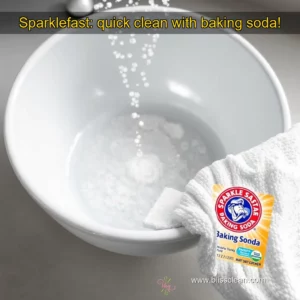
Natural cleaning solutions have been gaining popularity in recent years due to their effectiveness and eco-friendliness. These solutions are made from common household items, such as baking soda, white vinegar, and lemon juice, which are gentle on surfaces and the environment.
Why Choose Natural Cleaning Solutions?
Proper ventilation is crucial for maintaining a healthy indoor environment. It helps to remove stale air, reduce moisture, and prevent the growth of mold and mildew. Inadequate ventilation can lead to a range of health problems, including respiratory issues, headaches, and fatigue.
The Importance of Ventilation in Indoor Spaces
Understanding the Risks of Poor Ventilation
Poor ventilation in indoor spaces can have serious consequences for our health and well-being. Inadequate airflow can lead to a buildup of stale air, which can cause a range of problems, including:
The Benefits of Proper Ventilation
Proper ventilation, on the other hand, can have numerous benefits for our health and well-being.

news is a contributor at BlissClean. We are committed to providing well-researched, accurate, and valuable content to our readers.