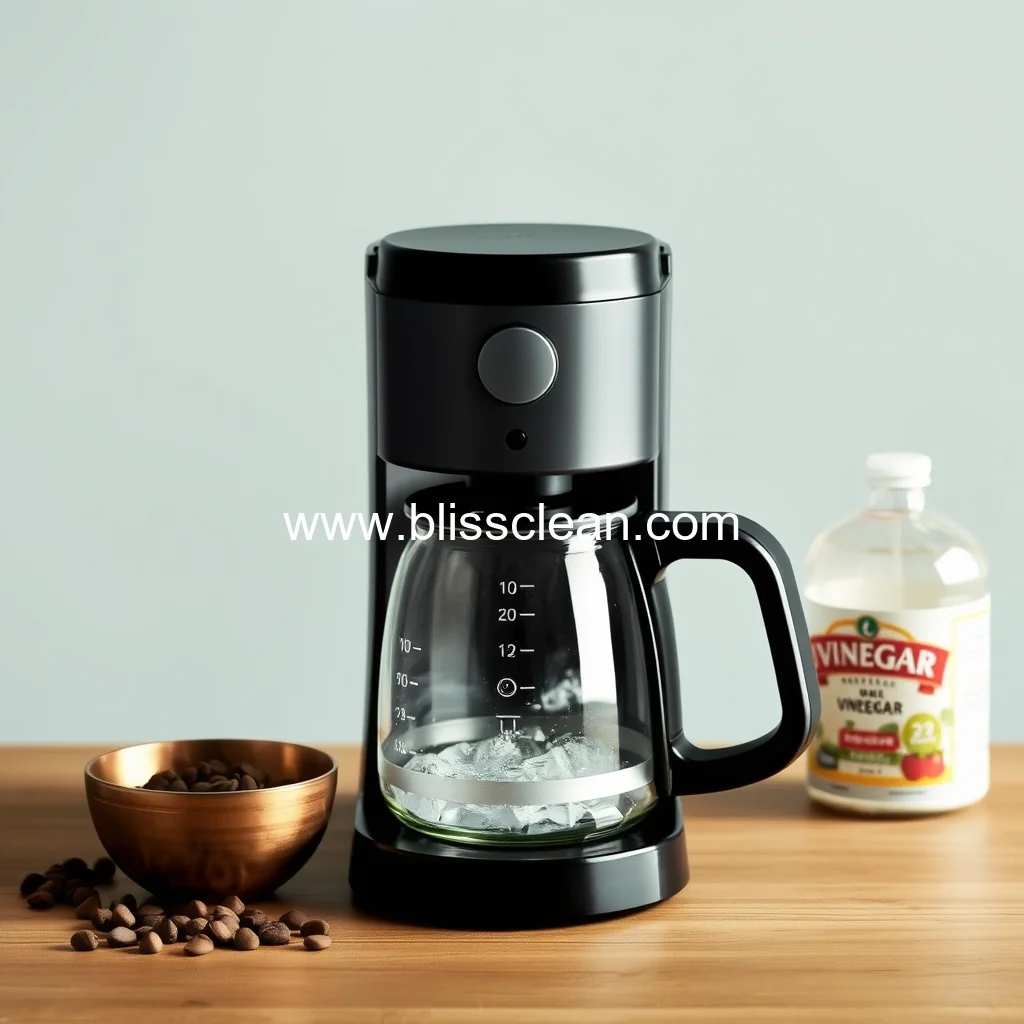
Harness the Power of White Vinegar for a Cleaner, Healthier Home.
The Benefits of White Vinegar
White vinegar is a natural and inexpensive household item that has been used for centuries. Its versatility and effectiveness make it a popular choice for various household tasks. Here are some of the benefits of using white vinegar:
Using White Vinegar for Household Tasks
White vinegar is a great alternative to chemical-based cleaning products. Here are some ways to use white vinegar for household tasks:
Removing Mineral Build-Ups
White vinegar is particularly effective at removing mineral build-ups caused by hard water. To remove mineral deposits, mix equal parts of white vinegar and water in a spray bottle. Spray the solution onto the affected area and let it sit for a few minutes before wiping clean with a cloth.
Cleaning Surfaces
White vinegar is a great all-purpose cleaner. Mix equal parts of white vinegar and water in a spray bottle. Spray the solution onto the surface and wipe clean with a cloth. This method is effective for cleaning countertops, sinks, and faucets.
Removing Odors
White vinegar is a natural odor eliminator.
Cleaning Your Coffee Machine: The Key to Better Taste and Performance.
Understanding the Basics of Cleaning Your Coffee Machine
Before diving into the specifics of cleaning your coffee machine, it’s essential to understand the basics. Cleaning your coffee machine regularly is crucial to prevent the buildup of old coffee oils, mineral deposits, and bacteria. These substances can lead to unpleasant tastes, odors, and even affect the machine’s performance.
The Importance of Regular Cleaning
Regular cleaning is not just about aesthetics; it’s also about maintaining the quality of your coffee. Old coffee oils and mineral deposits can seep into the machine’s components, affecting the taste of your coffee. Bacteria can also multiply, causing unpleasant odors and potentially leading to mold growth.
Common Cleaning Methods
There are several methods to clean your coffee machine, and the best approach may vary depending on the manufacturer and the type of machine. Here are some common methods:
Here are some of the reasons why you should clean your coffee maker regularly:
Why Cleaning Your Coffee Maker is Crucial
Neglecting to clean your coffee maker can lead to a buildup of old coffee oils and residue, which can affect the taste of your coffee. This is because the oils and residue can seep into the coffee grounds and affect the flavor of your coffee.
Regular Cleaning is Key to a Healthy and Happy Coffee Machine.
Redfern states that “the coffee machine is a breeding ground for bacteria and other microorganisms.” *Key benefits of regular cleaning include:**
Why Regular Cleaning is Crucial
Regular cleaning of your coffee machine is essential for maintaining its performance, hygiene, and overall quality. A dirty coffee machine can lead to a range of problems, including bacterial growth, clogged pipes, and unpleasant tastes. By regularly cleaning your machine, you can prevent these issues and ensure a consistently great cup of coffee.
The Risks of Neglecting Cleaning
Neglecting to clean your coffee machine can have serious consequences. Some of the risks include:
How to Clean Your Coffee Machine
Cleaning your coffee machine is a relatively simple process that can be done with a few basic tools and techniques. Here are some steps to follow:
Descale Your Machine
Here are some tips for cleaning your coffee maker:
Cleaning Your Coffee Maker: A Step-by-Step Guide
Why Clean Your Coffee Maker? Before we dive into the cleaning process, it’s essential to understand why cleaning your coffee maker is crucial. A dirty coffee maker can lead to a range of issues, including:
Preparing for the Cleaning Process
Before you start cleaning your coffee maker, make sure you have the following materials:
Step 1: Descale Your Coffee Maker
Descaling your coffee maker is essential to remove mineral deposits that can affect the taste of your coffee. Here’s how to descale your coffee maker:
Preparing the Solution
To begin, fill the water tank completely with a mixture of 1/3 white vinegar and 2/3 water. This ratio is crucial for the effectiveness of the cleaning process. The acidity in the vinegar helps to break down mineral deposits and descale the machine, while the water dilutes the vinegar to a safe concentration for use in the machine. The mixture should be poured slowly and carefully into the water tank to avoid splashing or spills. Make sure the water level is at the recommended maximum level, as indicated by the manufacturer’s guidelines.*
Activating the Cleaning Cycle
Once the water tank is filled, press the ‘Clean’ button to turn the coffee maker on and start the cleaning cycle. This button is usually located on the control panel of the machine and may be labeled as ‘Clean’, ‘Descaling’, or ‘Maintenance’. The cleaning cycle will typically involve a series of hot water flows through the machine, which will help to loosen and remove any mineral deposits and old coffee oils. The cycle may also include a rinse cycle to remove any remaining vinegar solution and restore the machine to its original taste.*
Monitoring the Cleaning Process
As the cleaning cycle progresses, you may notice a few things happening inside the machine. The hot water flows will help to loosen and remove any mineral deposits and old coffee oils, while the vinegar solution will help to descale the machine.
Moccamaster recommends using a descaling solution specifically designed for coffee makers, as using vinegar or other household cleaners can damage the machine.
Cleaning the Moccamaster
Precautions and Preparation
Before you start cleaning the Moccamaster, make sure you have the following:
It’s also a good idea to unplug the Moccamaster from the power source to prevent any accidental start-ups or electrical shocks.
Cleaning the Housing and Control Panel
To clean the housing and control panel, simply wipe with a clean, damp cloth. Be sure to remove any stubborn stains or mineral deposits by gently scrubbing with a soft-bristled brush. Avoid using abrasive materials or harsh chemicals, as they can damage the machine’s finish. For tougher stains, mix a solution of equal parts water and white vinegar, and apply it to the affected area. Let it sit for a few minutes before wiping clean with a damp cloth.*
Cleaning the Carafe and Lid
To clean the carafe and lid, wash them in warm, soapy water and rinse thoroughly. Make sure to remove any mineral deposits or stains by soaking the carafe and lid in a mixture of equal parts water and white vinegar for a few hours. For tougher stains, mix a solution of baking soda and water to create a paste, and apply it to the affected area.
The Importance of Cleaning Your Espresso Machine
Espresso machines are a crucial part of any coffee lover’s daily routine. They require regular cleaning to maintain their performance, prevent bacterial growth, and ensure the best-tasting coffee.
Cleaning and Descaling Your Espresso Machine
Why Clean and Descale Your Espresso Machine? Regular cleaning and descaling are essential to maintain the performance, taste, and longevity of your espresso machine. Scale buildup can lead to poor espresso quality, clogged pipes, and even machine failure. A clean and well-maintained machine ensures optimal extraction, flavor, and aroma. ### Preparing for the Cleaning and Descaling Process
Cleaning the Machine
Descaling the Machine
Cleaning your coffee machine is crucial for brewing the perfect cup and maintaining your health.
The Importance of Cleaning Your Coffee Machine
As a coffee aficionado, you know that a clean coffee machine is essential for brewing the perfect cup. However, many of us neglect to clean our machines regularly, leading to a buildup of old coffee oils, residue, and bacteria. This can result in a decrease in flavor, a decrease in the overall quality of your coffee, and even the growth of mold and mildew.
The Risks of a Dirty Coffee Machine
A dirty coffee machine can pose several risks to your health and the quality of your coffee. Some of the risks include:
Regular Cleaning Can Save You from a World of Coffee-Related Headaches.
The Importance of Cleaning Your Coffee Machine
As a coffee lover, you’re likely no stranger to the daily ritual of brewing a fresh cup. However, few people consider the often-overlooked importance of cleaning their coffee machine regularly. A dirty coffee machine can lead to a multitude of problems, from subpar flavor to clogged brew groups and even the spread of bacteria.
The Risks of a Dirty Coffee Machine
The Benefits of Regular Cleaning
How to Clean Your Coffee Machine
Step 1: Descale Your Machine
Descaling your machine is an essential step in maintaining its overall health. Mineral deposits can build up over time, causing problems with the machine’s performance and flavor. To descale, mix equal parts of water and white vinegar, and run the solution through the machine.
Step 2: Run a Cleaning Cycle
Start a new brewing cycle without a coffee capsule and let the solution run through the machine. This will help loosen any built-up debris and grime.
Step 3: Rinse and Repeat
Rinse the machine thoroughly with fresh water to remove any remaining vinegar solution.
It’s also a versatile cleaning agent that can be used for a variety of tasks, from cleaning surfaces to removing stains.
The Benefits of White Vinegar
White vinegar is a natural and non-toxic cleaning agent that has been used for centuries. Its acidity makes it an effective cleaner, and it’s also a great alternative to harsh chemicals.
Why Choose White Vinegar? It’s environmentally friendly
Using White Vinegar for Cleaning
White vinegar is a great all-purpose cleaner that can be used on a variety of surfaces, including countertops, sinks, and mirrors. Here are some ways to use white vinegar for cleaning:
Tips and Precautions
When using white vinegar for cleaning, there are a few things to keep in mind:

news is a contributor at BlissClean. We are committed to providing well-researched, accurate, and valuable content to our readers.